



Ugo Arsac, Rebecca Brueder, Bastien Faudon, Jérémy Gouellou
Exhibition from 29 May to 11 July 2026
Opening night: Thursday 28 May, 6.00 pm to 9.00 pm
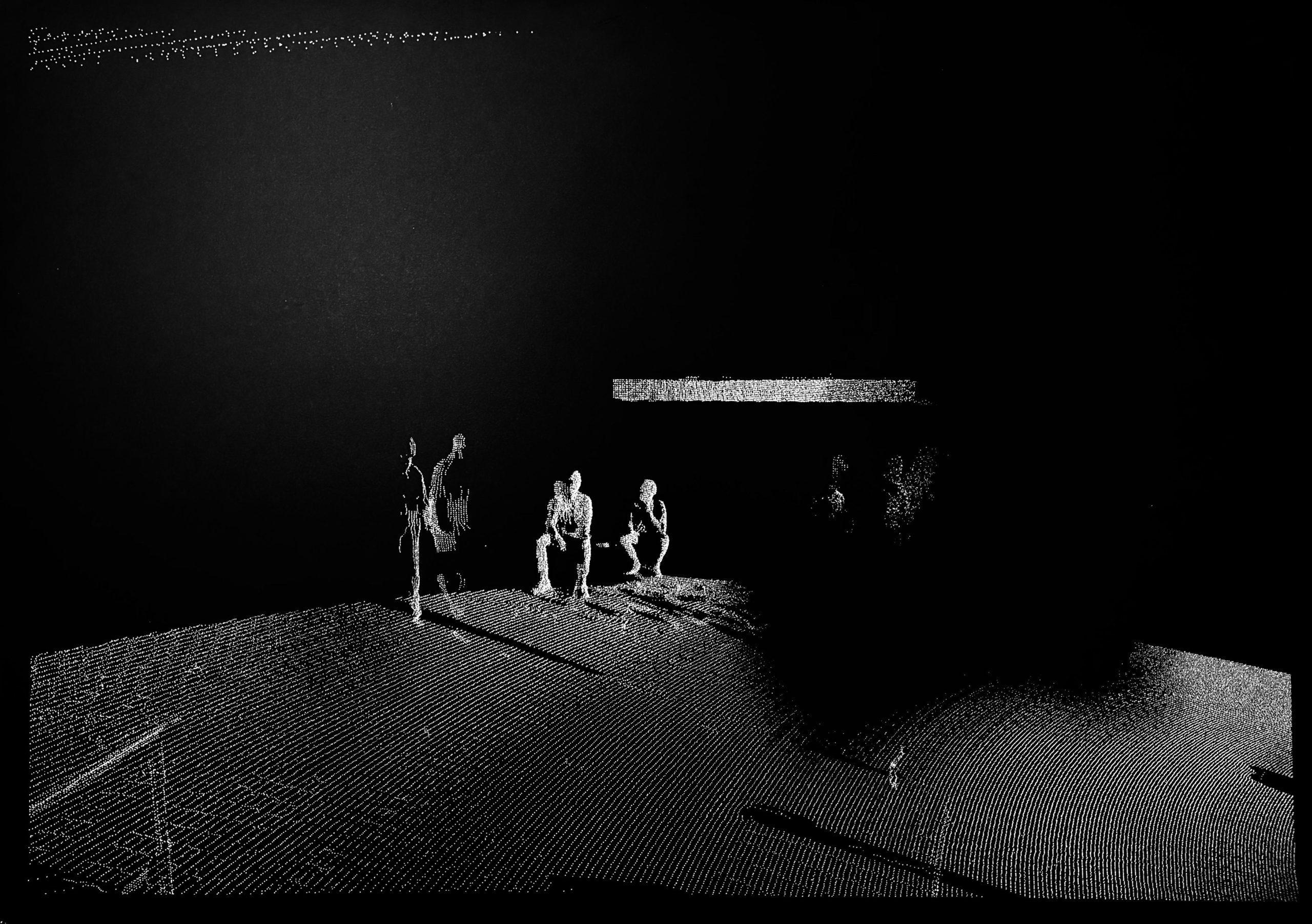
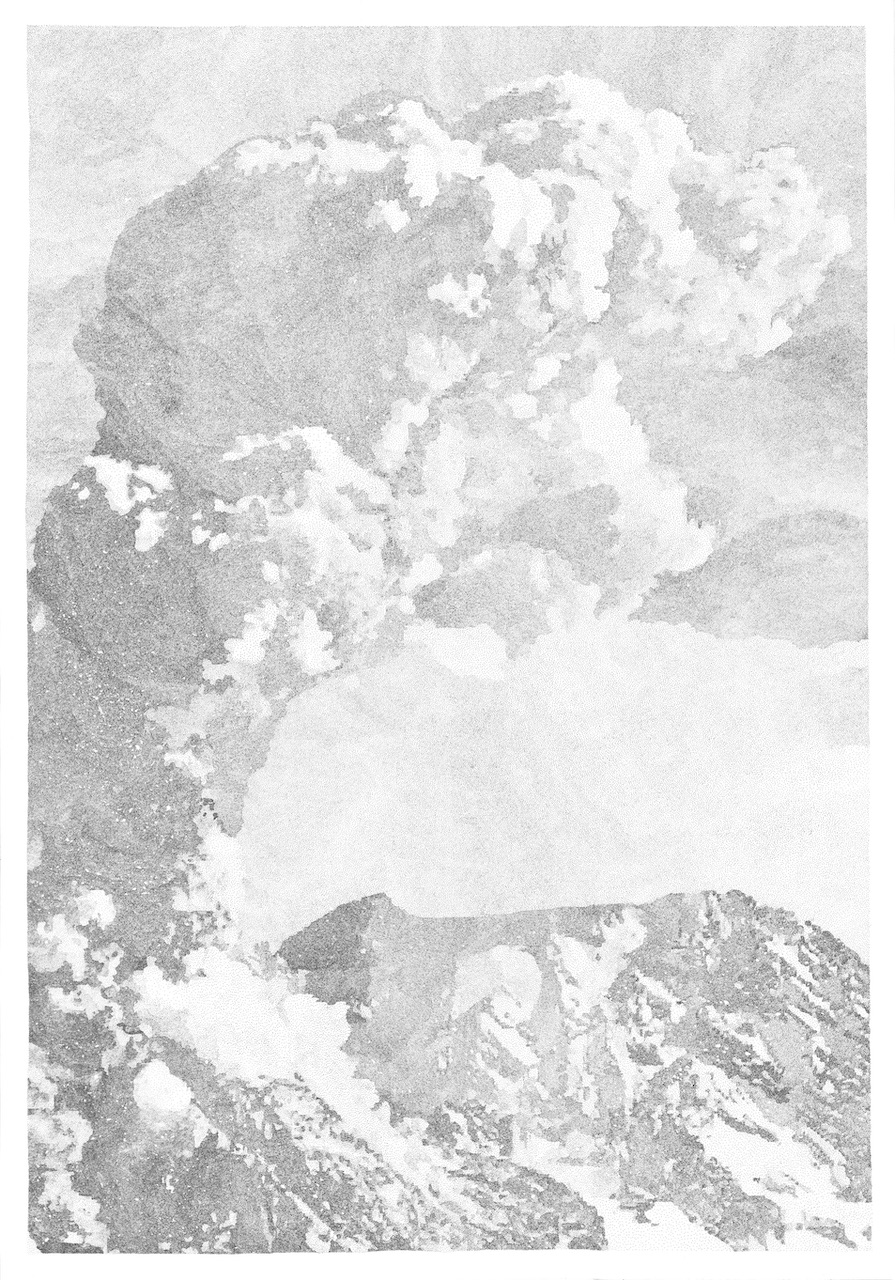
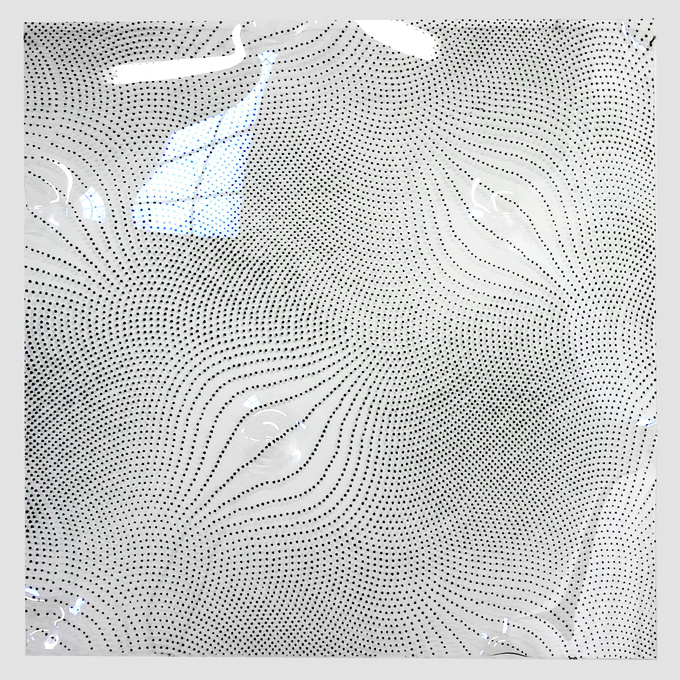
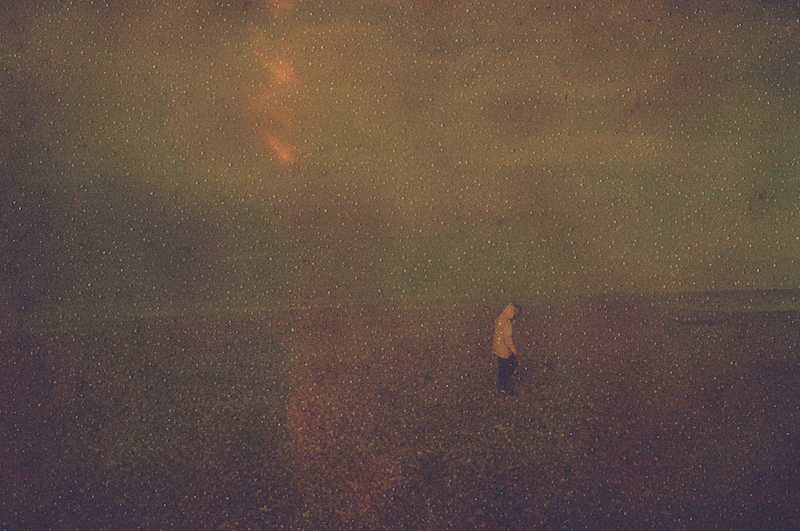
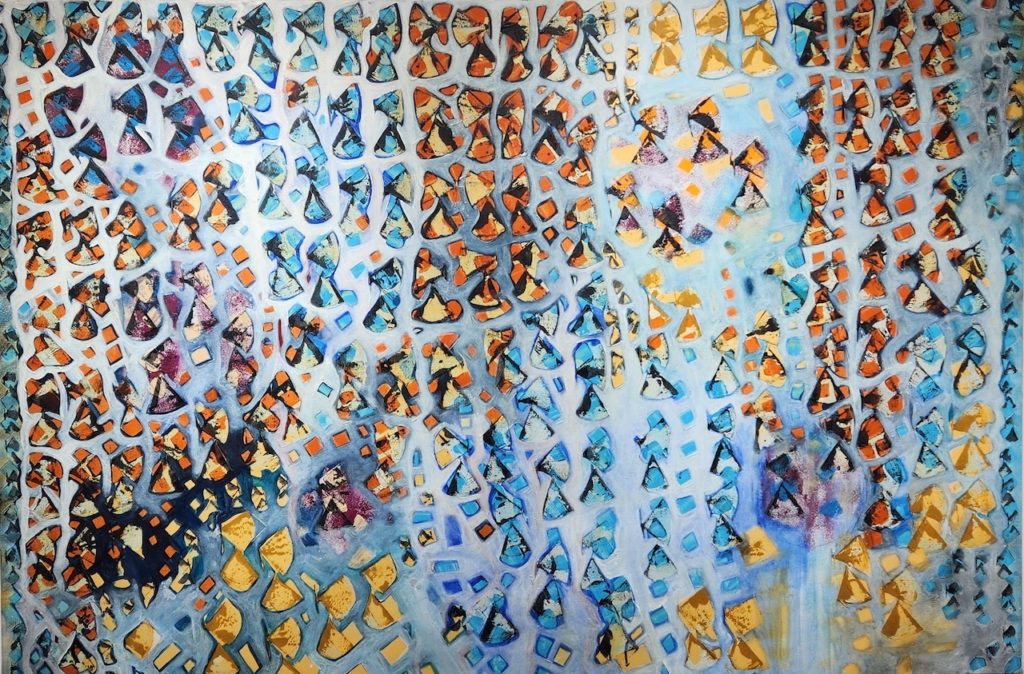
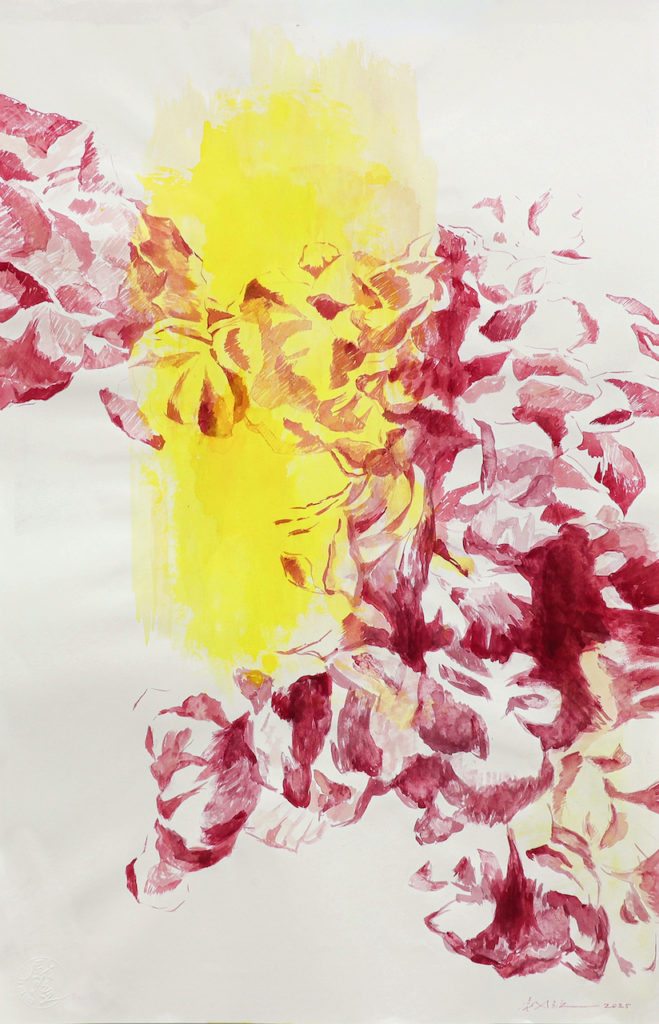
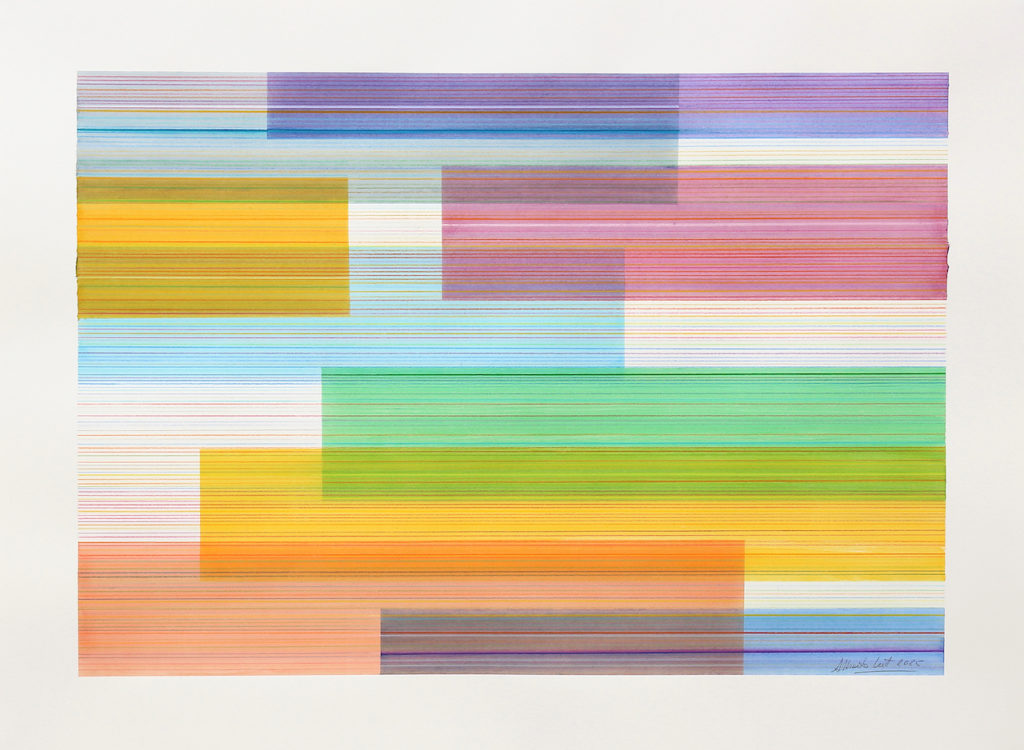
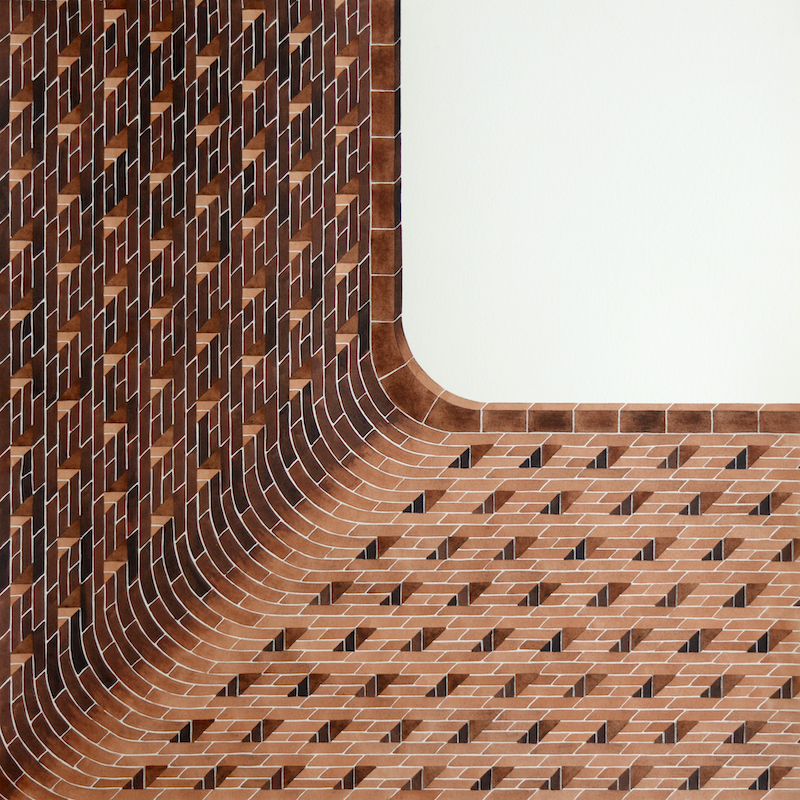
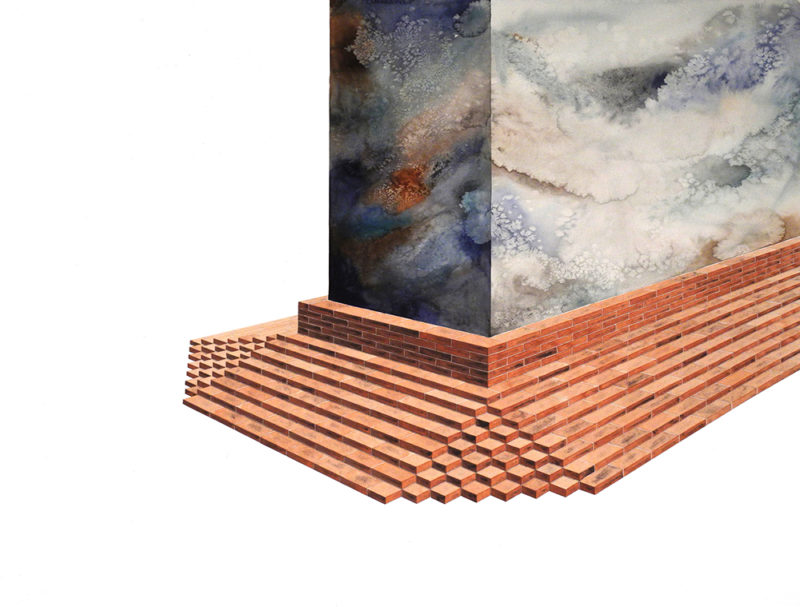
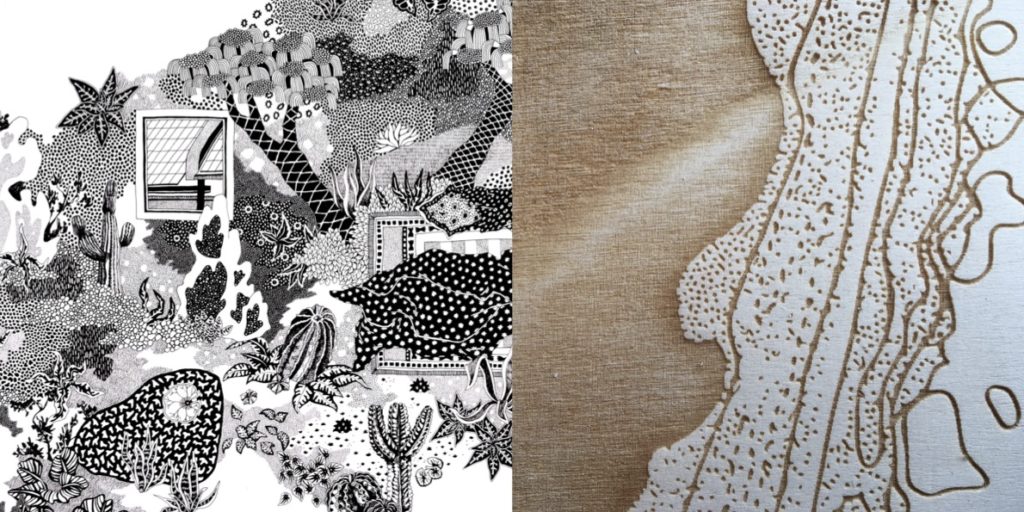
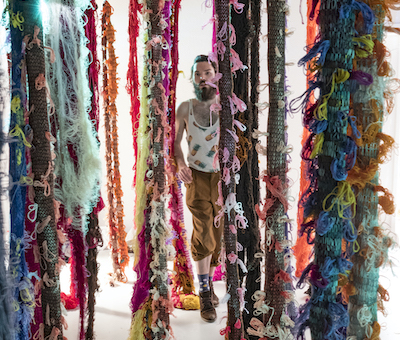
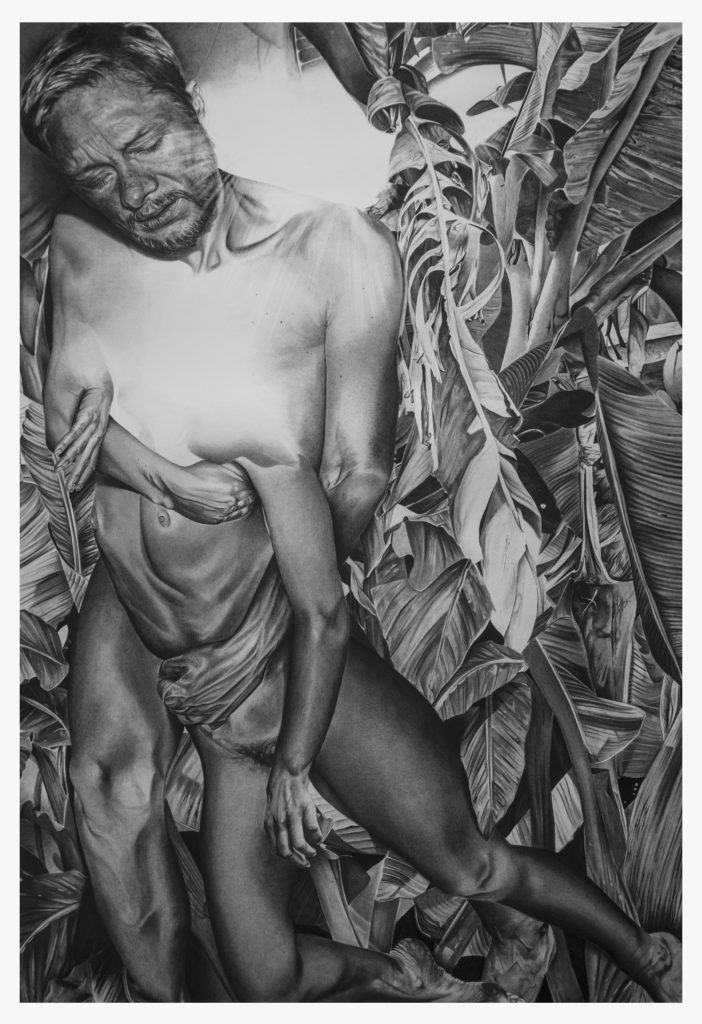
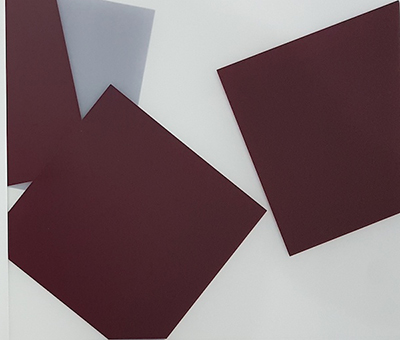
The new exhibition at the Galerie Robet Dantec presents four artists united by the theme of the dot. In the visual arts, the dot is, in fact, the lowest common denominator. Yet for many visitors, creating images using nothing but dots seems like a feat bordering on obsession or madness, particularly if the work is created by hand.
However, this is not a matter of polka dots (as in the work of Yayoi Kusama), which would be a solid circle, but rather of that precise mark—as if made by a punch or a point—on the paper, which tolerates no error, no slippage into a line.
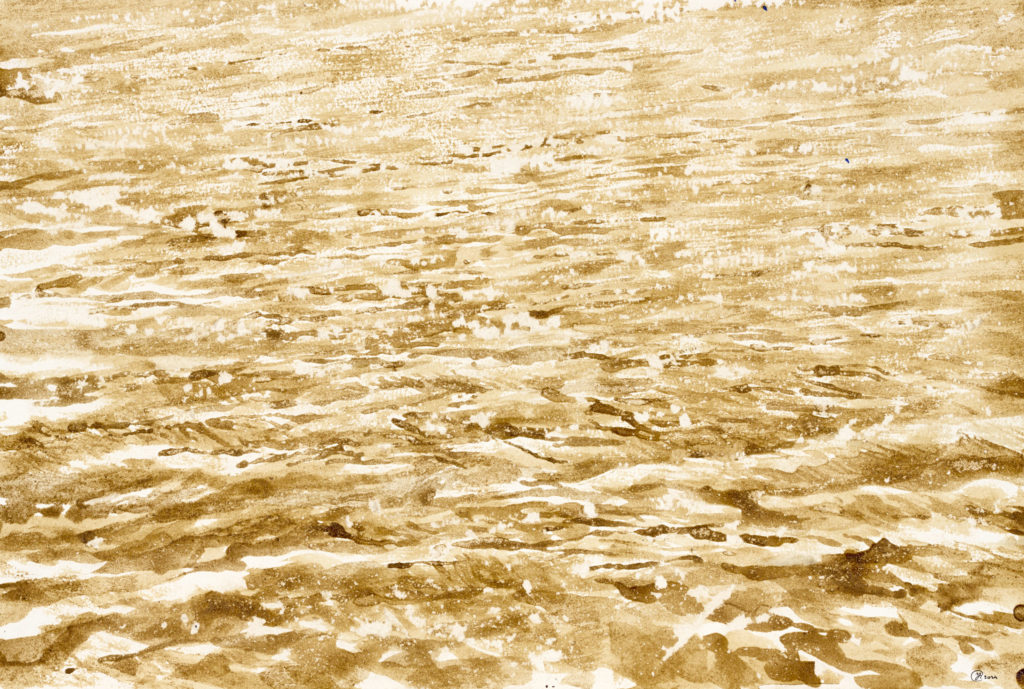
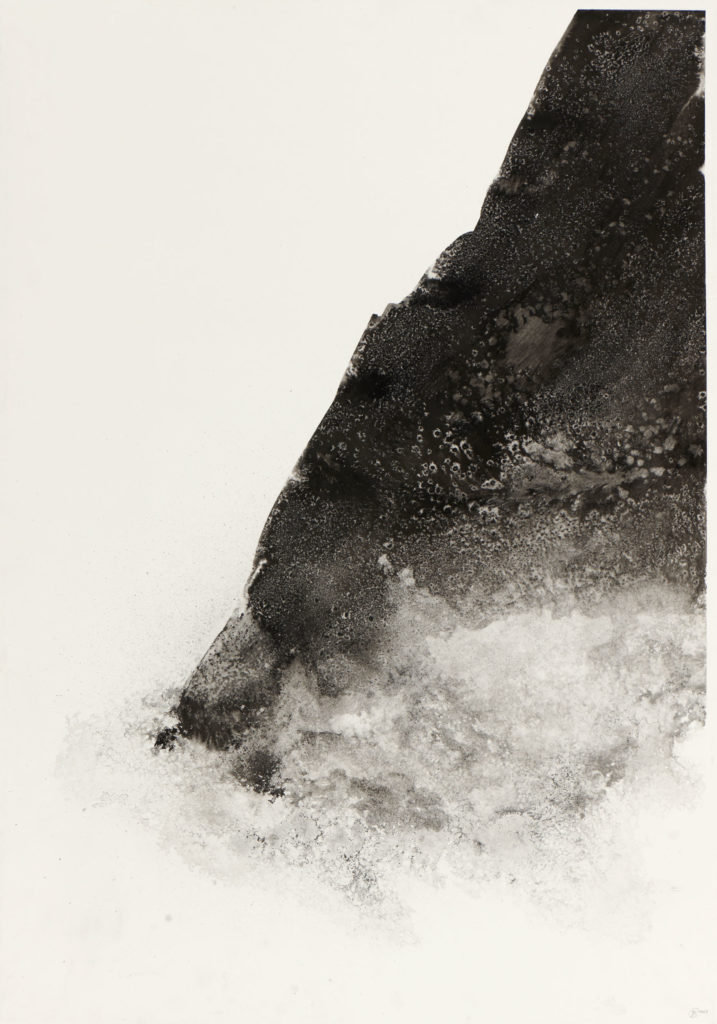
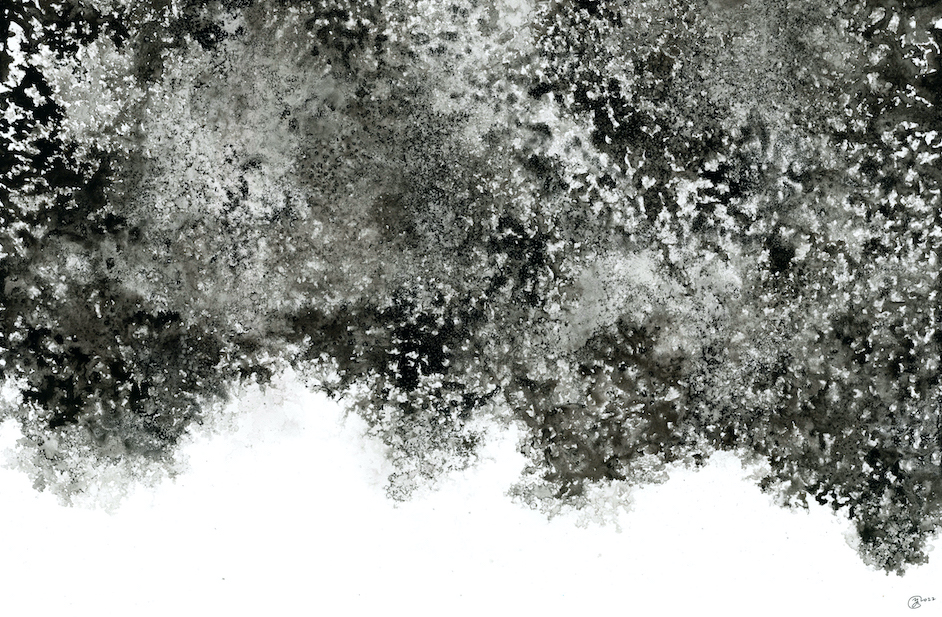
For some, such as Rebecca Brueder, drawing solely with dots means entering a kind of meditative state where the creative process is extremely slow compared to the seismic events she depicts (400 hours of work for her volcanic eruptions, for example).
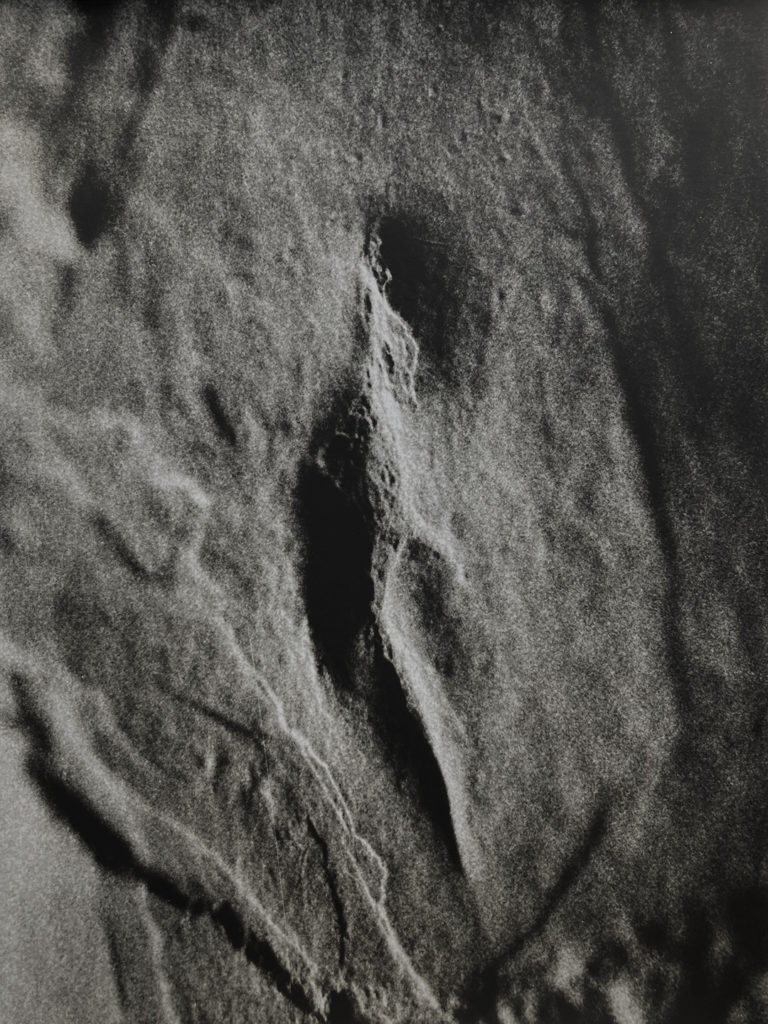
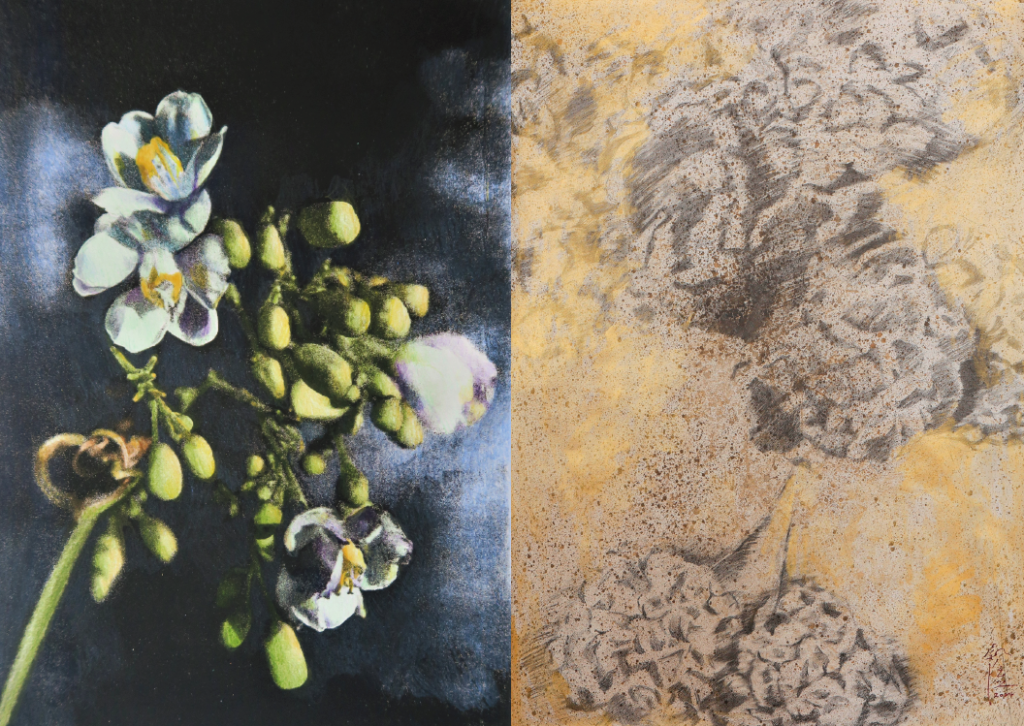
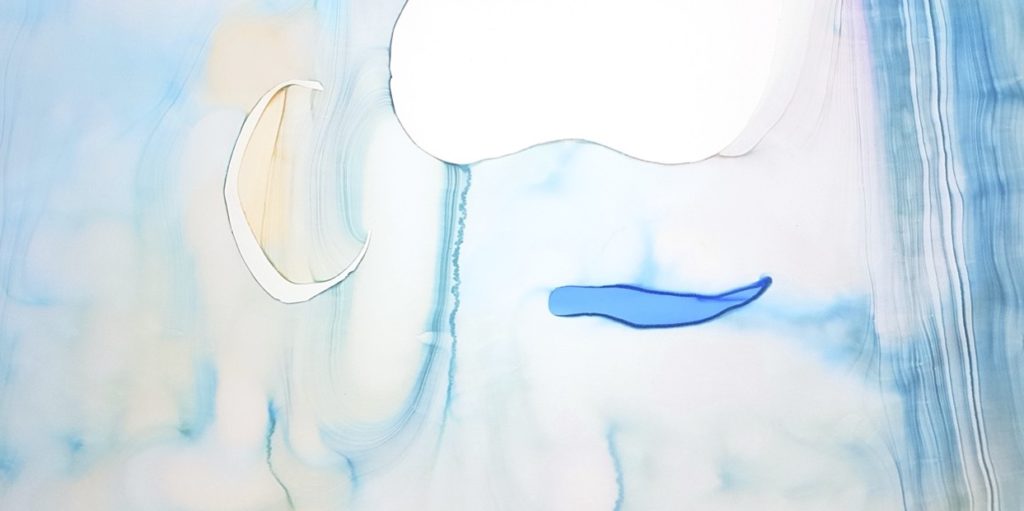
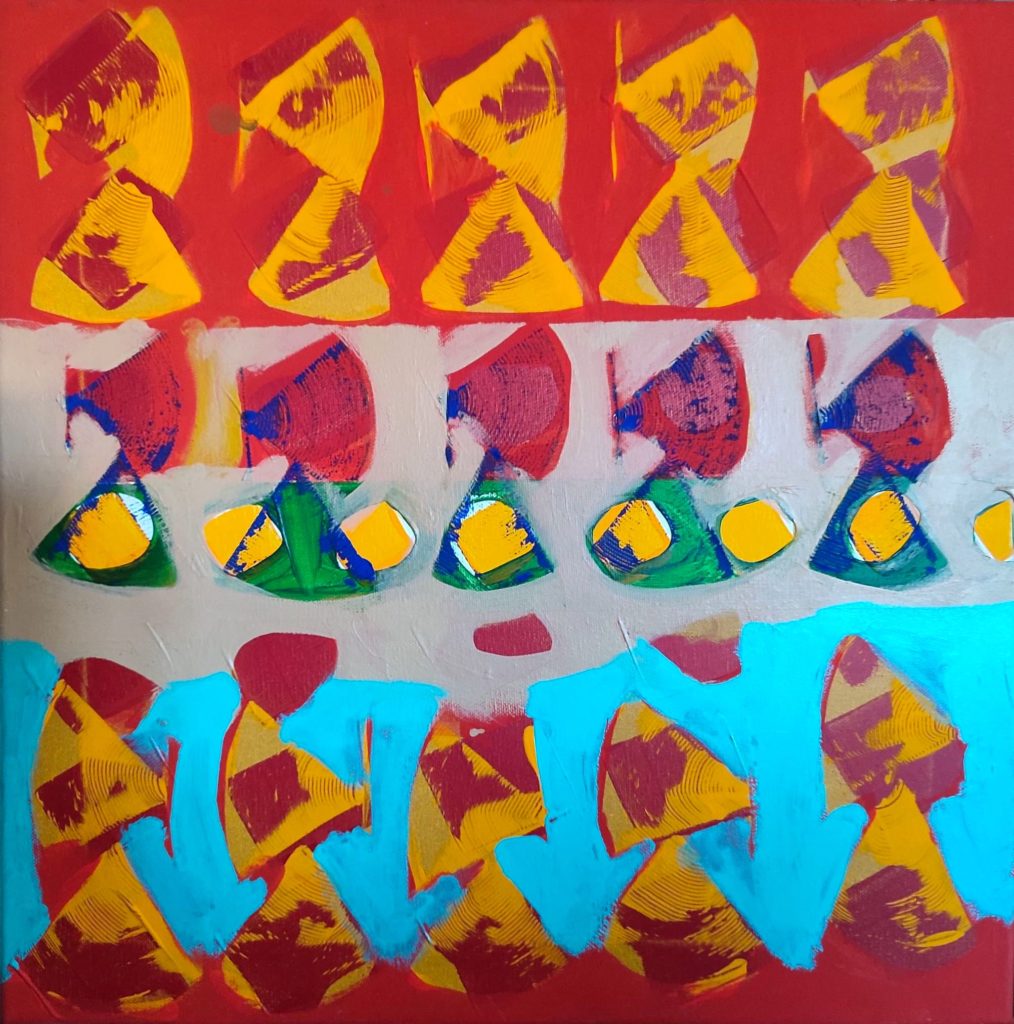
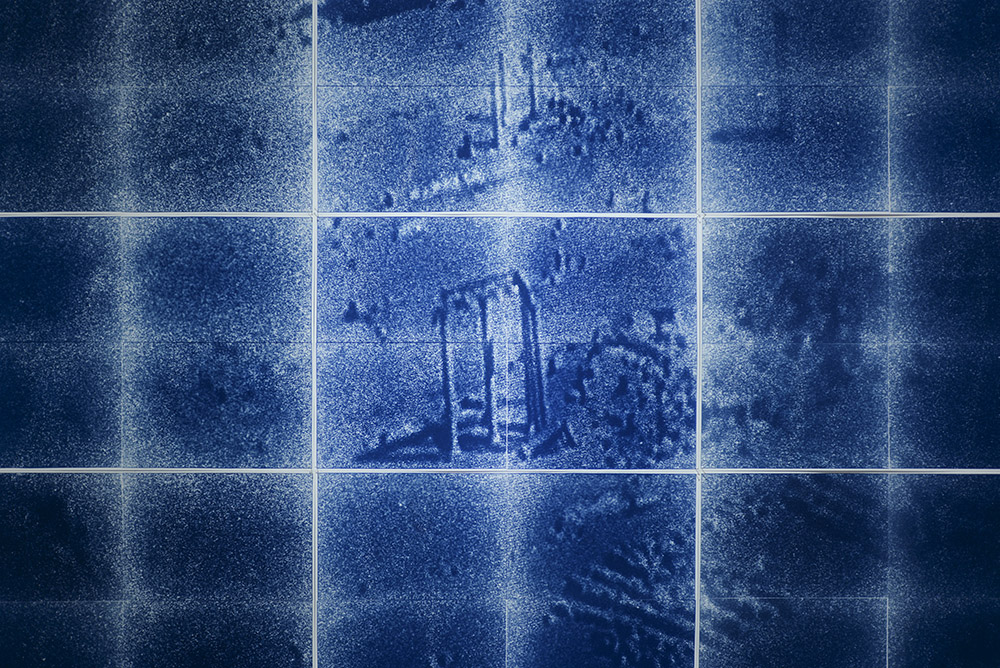
It also involves blurring the image, playing between abstraction and figuration, as in the photographs of Jérémy Gouellou, whose expired film alters the chemical process and reveals, point by point, a primary colour palette that is not unlike the pointillism of the Post-Impressionists.
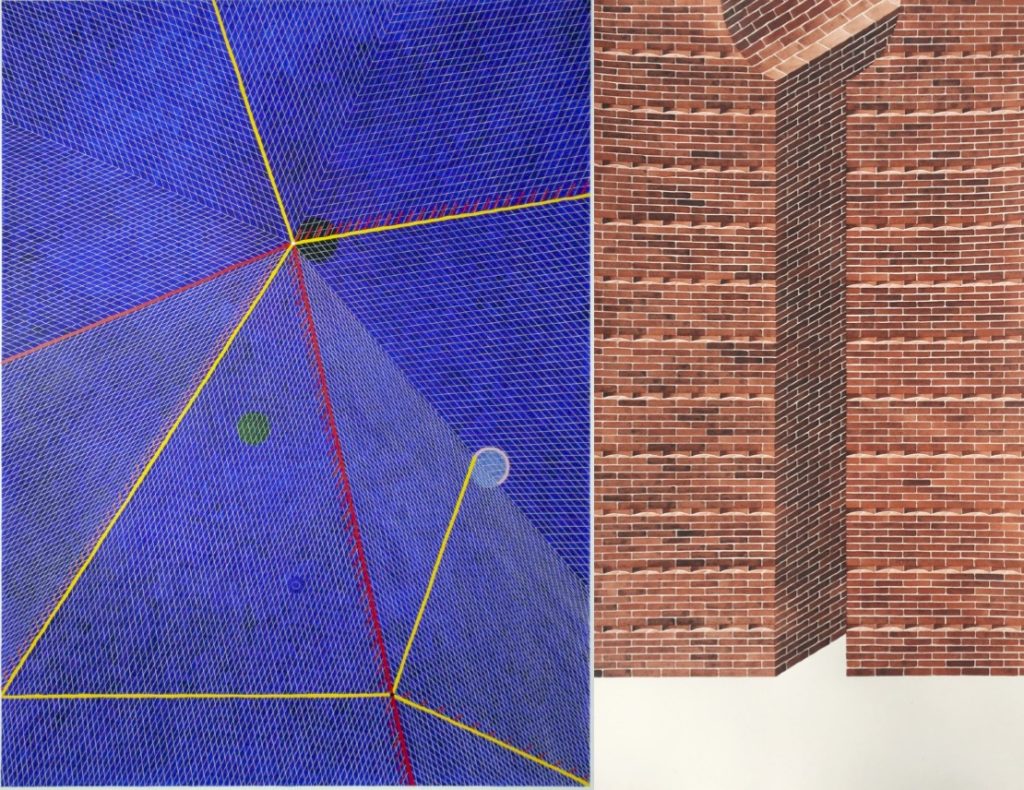
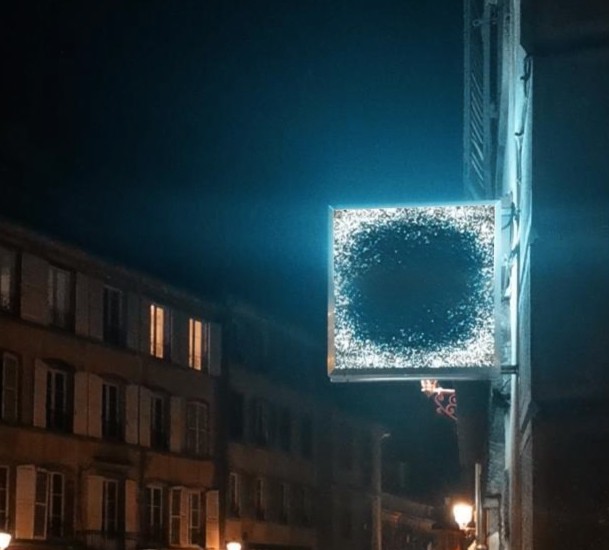
The use of the dot in Bastien Faudon’s works, meanwhile, is directly inspired by science, by a poetic conception of the infinitely small and the invisible. In seeking to convey a tangible image of time and space, the artist plays with x- and y-coordinates to create imaginary maps.
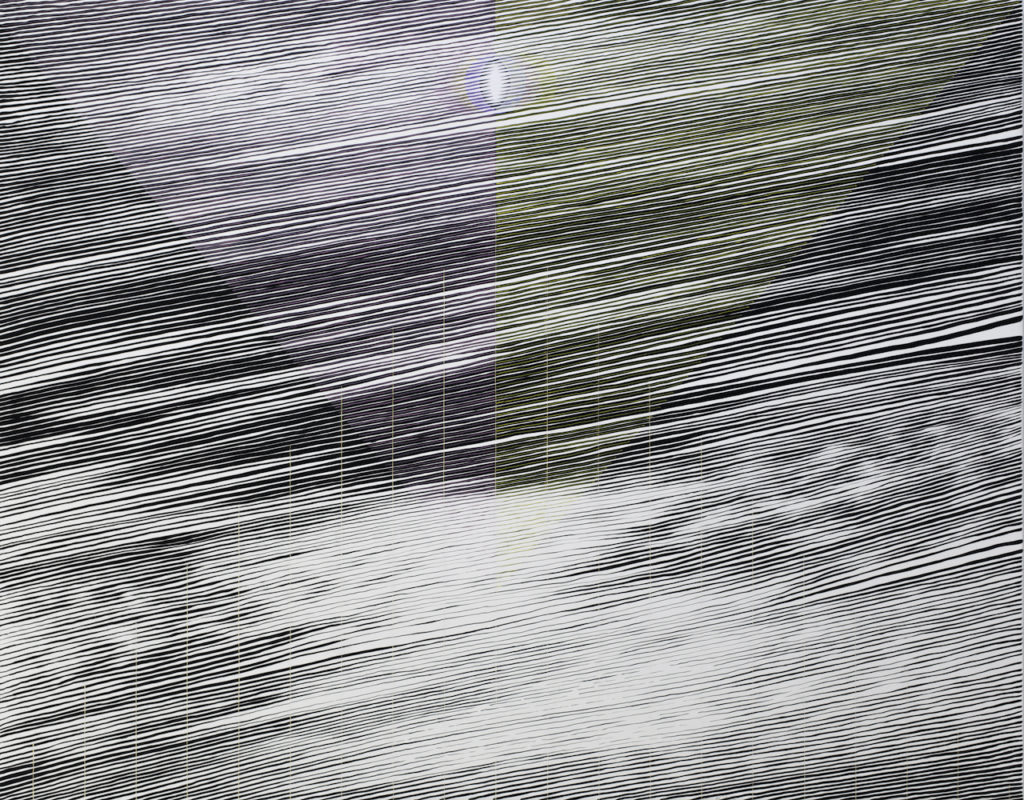
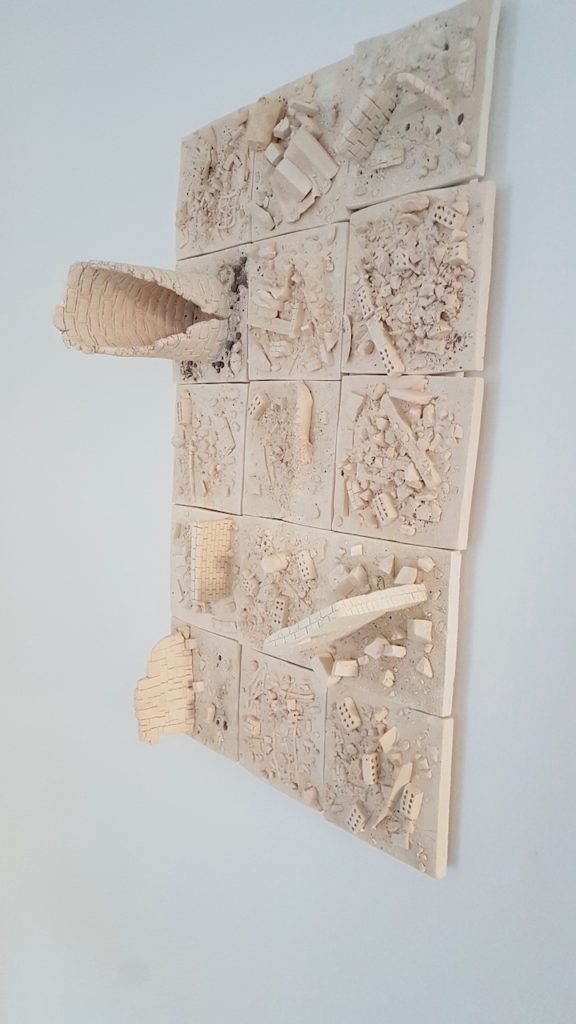
Meanwhile, the drawings by Ugo Arsac, a digital artist, are captures of immersive works featuring a white dot on a black background, which are viewed using a virtual reality headset. These captures are reproduced in pigment ink as a single, unique piece using a robot invented by the artist, which carries out its task without batting an eyelid.
One might almost wonder what ‘Méchané’, Ugo Arsac’s drawing robot, is thinking during those long hours of work as it labours, point by point, for its creator?